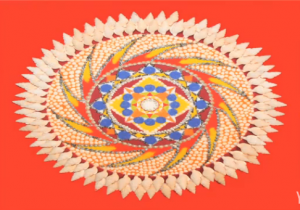
Mandala is a Sanskrit word meaning ‘Circle’. Sand mandalas are an ancient Tibetan art form. Experience the power of creatively working with this circular art form at a Mandala Nature one day workshop. Mandalas allow you open to your inner healing wisdom and facilitate an experience of moving towards wholeness. The workshop includes some meditation and lectures. Lunch and materials are provided.
www.mandalanature.com
Admin

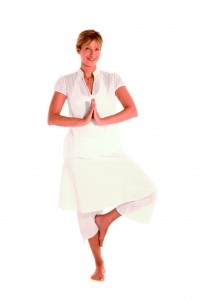
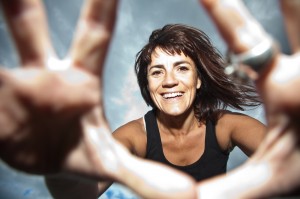
Maya Fiennes is returning to Dublin following on from the success of her workshop earlier this year, with the aim of restoring and re-energising the participants of the event. Maya will be using her own composed music and her fun approach to Yoga to make sure that no one leaves the workshop untouched.
www.mayaspace.com
Call Carrie on 0876546910
NPA: A Gateway To Intimacy. How Non-Personal Awareness Improves the Quality of Personal Interactions
Folks who learn NPA – and consistently practice it – report that all those sticky, awkward, interpersonal blocks just slide away and the quality of their personal interactions with people, across the board, improve dramatically.
In case you haven’t yet heard of NPA, it stands for ‘Non-Personal Awareness’ and is a really simple 6 line, spoken word process that helps you let go of the yucky stuff and let in the yummy stuff of life. It does that by helping you touch into the awareness that everything is energy and fundamentally non-personal.
So, how can this be? How can an approach that helps you focus on the ‘non-personal’ nature of reality improve your ‘personal’ interactions and relationships?
In common language use, making relationships more ‘personal’ generally refers to offering more of yourself; being more open, more authentic and more available.
However, what present themselves as obstacles in the space between people is our seemingly immoveable, pervasive self-identities.
NPA works to dis-identify you from your ‘stuff’. Somehow you just realise that your ‘stuff’ is not ‘you’, it just ‘is’. And the personal investment in the story of you, or the concept of who you are supposed to be (or not be) lessens. Ultimately, your hand-me-down survival strategies and ego games become meaningless. What you are left with is the freedom to Be!
And what is ‘The freedom to Be’? Well, on a practical level, there is no image to protect when you interact with others; no false walls between you. Who you are in the moment has space to breathe and live and express itself. Self-consciousness dwindles, and radical self acceptance emerges. This is where true self-discovery begins. Or, you could say, this is where True-Self discovery begins.
It’s the wonderment of discovering who you are in this environment or that environment, with this person or that person. The unconditionally loving witness is awake and aware, resting as the foundation of wellbeing, at the heart of your life experience.
On a very down-to-Earth level, what emerges from this is a much more open, authentic and available inter-personal experience.
Gill and John are a couple who came together to an NPA event and decided to use their process time to work with each other. Gill had told me that she and her husband were working to improve their relationship. She had done a lot of this sort of thing before, and he really hadn’t. An identity gulf and a lot of frustration had built up on both ‘sides’.
In the morning, where we use NPA to ‘let out the yucky stuff’ – in other words, let go of our attachment to painful false self-identities that are so often fiercely protected – I watched as Gill and John’s walls came down.
In the afternoon, where we ‘let in the yummy stuff’ – in other words open the doors to our authentic, natural expression – I watched Gill and John opened to the real heart of each other, and melted into the love that had always been there between them.
At the end of the event, I found a testimonial penned by John. It described NPA quite simply as: “A Gateway to Intimacy.”
The NPA Expansive Weekend, Dublin.
October 8th & 9th
Use discount code ‘positivelife’ to get €100 off!
Contact Sarah Bird at sarah@sarahbird.ie or +353(0)872193343
www.NonPersonalAwareness.com
The NPA Process
Answer Q1 or Q2 (as feels appropriate).
Q1… What are you experiencing that you would like to allow to pass?
Q2… What are you not experiencing that you would like to allow to come?Say the following sentences out loud, using your answer to Q1 or Q2 to fill in the blank. Stay present to your experience as you say the words…
This _______
This Energy of _______
This Pure Energy of _______ is not personal.
This Pure Energy of _______ is not personal,
And I am willing to experience it.Now be inwardly still. Let go and give yourself space to simply be with your experience. Whatever emotion, sensation or thought arises, be still until you feel a natural completion.
It’s not surprising that people are reluctant to find out which foods might be contributing to their ill health symptoms: “Where do I start? Which foods should I be avoiding? I just can’t do it”. For those of us who have been faced with having to make, sometimes radical, dietary changes, there are many questions that need answering. What exactly can I eat if I have to remove milk, wheat, gluten and yeast from my diet? Where can I buy those alternatives? How will I manage if I go out to a restaurant and will my friends think I am being awkward? There is no doubt that it can be really daunting and can put people off trying to find out their culprit foods in the first place. Looking on the massive plus side though, the benefits that dietary change can bring can literally be life-changing. The evidence is clear that food intolerance exists, that 45% of the population are suffering from food intolerance and that the ill health symptoms associated with this condition are far and wide ranging. Why is it still the case then that doctors rarely explore the link between food intolerance and chronic conditions such as gut symptoms, irritable bowel, headaches, migraines, sore joints, eczema, skin rashes and fatigue with their patients?
The fact is that every individual person is unique with a different biochemical make-up, even to others with similar conditions. For example, cow’s milk, oranges and eggs may be responsible for Emily’s headaches but safe for Jane who also suffers from headaches. The challenge is to identify the exact culprit foods, and then to feel supported in sticking to your new regime. The link between adherence to dietary advice and improvement of symptoms is clear. In the largest study of its kind, commissioned by the leading medical charity, Allergy UK, it was shown that of 3,559 people who were strict at keeping to the diet according to their test results, 76% reported significant improvements in their food intolerance symptoms. Of the 1,436 people that made a reasonable attempt at the diet, only 66% reported noticeable improvement. In addition, just to show the impact, out of those who struggled changing their diet, only 16% felt any change; and that wasn’t sustained. The test used in the study is the YorkTest FoodScan; it only requires a few drops of blood from a finger prick that can be collected by you in the comfort of your own home. This blood test measures food-specific IgG antibodies. Antibodies to foods are found in the body when the immune system has identified a particular food type as being “foreign”. Measurement of IgG antibodies to foods in blood shows that the body is fighting that particular food. Nutritionist consultations, carried out over the telephone, are offered as standard as part of the YorkTest Food Intolerance Programme.
Most people newly diagnosed with food intolerance are usually fully enthused and determined to change their diet, and make every effort to stick to the new “rules”. The research showed that it is after getting through the first few weeks, and when starting to feel better, that sustaining the new diet becomes difficult: “Just a small amount of XXX food won’t hurt,” says that devilish little voice in your head. Sound familiar? But with your Nutritional Therapist there for you, encouraging you along the way, making sure that you stick to the programme and giving you tips to keep that enthusiasm going, it’s easy to succeed.
If you think you have a food intolerance, or if you have been tested and feel that you need additional help in sticking to your new diet, contact 01 2022701
www.yorktest.ie
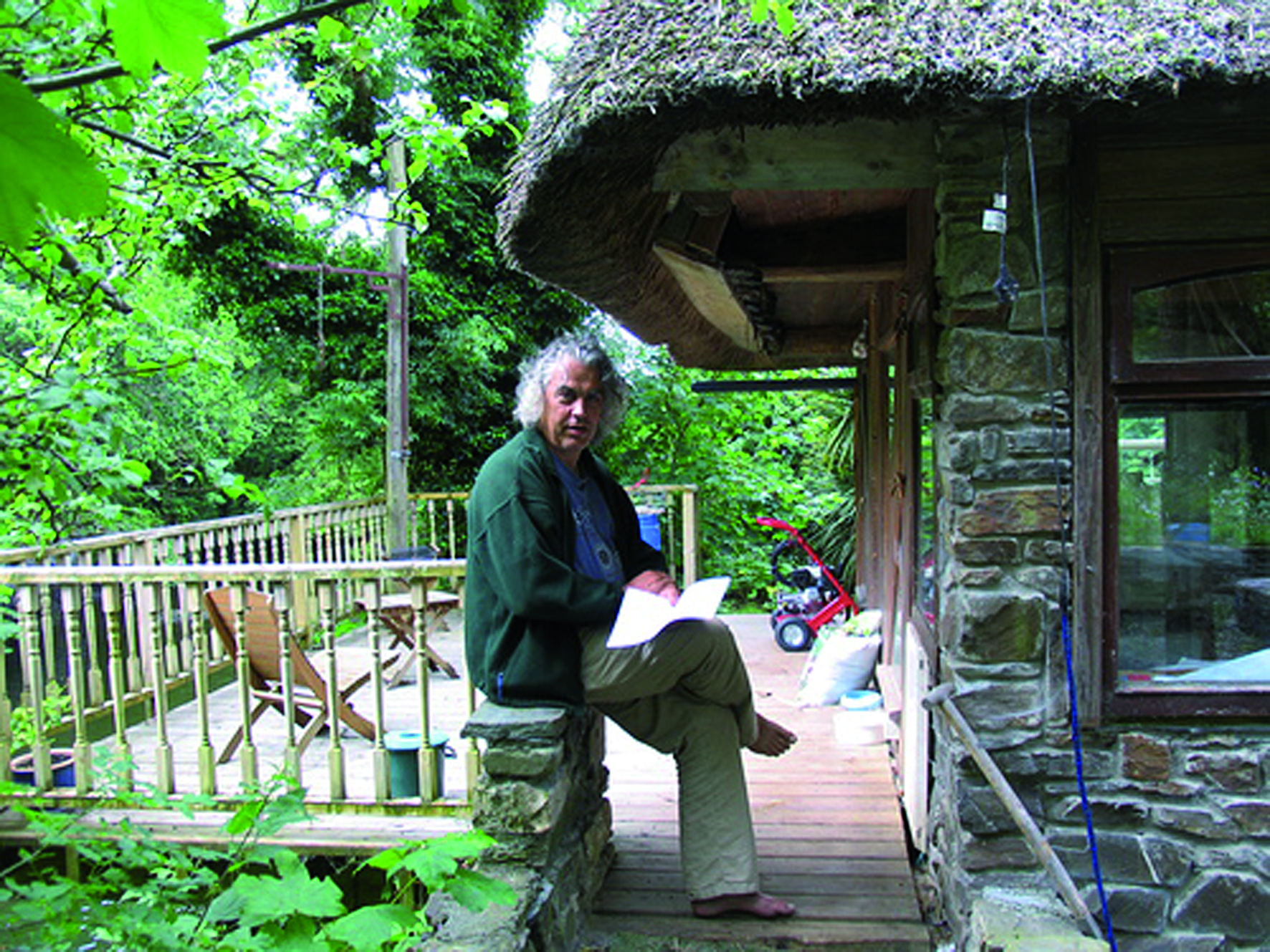
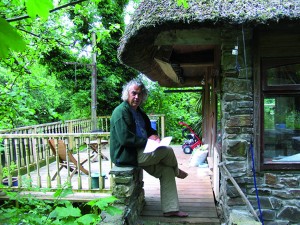
I was teaching Yoga and running a centre in the UK. Then, after I moved to Ireland, I started Eireventure Paragliding School. I also started Second Byte, selling second hand Apple computers to provide income on rainy days.
Alan Dare, who had a Health Food shop in Bantry, had found Grapefruit Seed Extract to be the best way of dealing with Candida, and would encourage his customers to try it. Two customers wrote a book about it in German, which was very successful. The publisher sent them a disc with an English translation which they could not open as they had a Mac, which I had sold them, and the disc was in a different format. They gave me the disc and I ended up rewriting the English version, which gave me lots of scientific information and some money to invest.
That’s how the Aisling Foundation, who specialise in Grapefruit Seed Extract, got started. Aisling is our youngest daughter and is Downes Syndrome.
We now have a range of Grapefruit Seed Extract products and a business that started in a one room shack and now exports all over Europe.
The realisation that Life guides and supports us, in so far as we allow it to, is my core belief; and I thank Life for providing me with such a wonderful gift that enables me to make money using a waste product that helps people to become more healthy.
www.aislingfoundation.com
In this Good Life 2.0 column, over the last two years, I have introduced a number of strategies and initiatives that I think could help us thrive, not just survive, in these changing times. I have been exploring community resilience, which is all about finding a positive way to face change – together.
What I would like to look at in this issue is how we can collaborate to build our resilience around food. How can we eat healthily, inexpensively and, at the same time, engage with our community and support local food producers?
Building our resilience around food has to start with growing some of it ourselves. Planting, tending, harvesting and eating your own vegetables are the first steps to regaining control in an uncertain world. The uptake in allotments, the popularity of community gardens and the growth of Grow It Yourself Ireland – whose vision is for a world where home-grown food is the norm – show that more and more of us are now ‘digging for victory’. Shopping in a farmer’s market or a food co-op supports local producers, but is also beneficial to the local economy and strengthens community connections. Procuring our food and eating are convivial activities that are at the heart of a resilient community.
I am currently the chair of the Cloughjordan Community Farm; a member owned and operated Community Supported Agriculture (CSA) initiative in Tipperary. Using organic and biodynamic principles, we supply fresh seasonal vegetables to over 50 owner/members. This exciting initiative has been in operation since 2008 on a small, mixed farm of 26 acres, which we lease with an additional 12 acres on the land of the ecovillage where about two thirds of the members now live.
CSAs, which are popular across Europe and the US, are a new form of agriculture that can look very differently in different places. All include individuals supporting a farming operation where the growers and consumers share the risks and benefits of food production. This type of agriculture can help to build a healthy food culture and secure access to a local food supply.
Our aim in Cloughjordan Community Farm is to increase our food resilience by making quality food available to as many people as possible. For as little as €40 per month, owner/members of the community farm in Cloughjordan get access to a distribution point where twice a week they can pick up fresh seasonal fruit and vegetables, plus delicious raw milk from our own Kerry cows is delivered daily.
A ban on the sale of raw milk is about to be introduced; however as our farm is owned by the members and doesn’t sell anything, that ban will not apply to us. As a community, we have explored the health risks and benefits of unpasteurised milk extensively. Some of us have been experimenting, making the most delicious mozzarella and ricotta cheeses from it, and have held workshops to teach the rest of the community how.
Small quantities of pork, beef and lamb are supplied to members at certain times throughout the year. Those desiring larger amounts take part in our ‘meat shares’ programme. I have invested in a quarter share of a pig and I am looking forward to chops and rashers.
We have achieved a lot on our community farm, but we do face challenges, one of which is making the CSA financially viable. A few of the things we are researching to help us do this include introducing agritourism offerings and training courses in resilient agriculture systems. In association with the ecovillage, and Cultivate and Feasta who are both based in Cloughjordan, we plan to host a number of hands-on courses in subjects around food production, seed saving, nutritional resilience, Permaculture and events for those interested in setting up and maintaining CSA initiatives. Learning experiences are already being offered to school groups, which are coordinated by the local Sarah Baker Cookery School and through our successful Wwoofer programme.
Wwoofers (Willing Workers on Organic Farms) are volunteers from countries all around the world that provide labour. In exchange, they are able to learn about, and experience first-hand, sustainable ways of living and farming. Our Wwoofers are accommodated at Django’s Hostel, which is located in the heart of the ecovillage and makes volunteering in Cloughjordan very attractive to Wwoofers from all over the world.
Farm owner/members don’t have to work on the farm, but many, of course, do. Some work voluntarily in different areas of farm activity, such as distribution, education and membership, and almost everyone gets involved in the meithiel work parties which take place regularly. Currently, we employ three part time food producers and our objective is to create more meaningful livelihoods on the farm. Check out the Cloughjordan Community Farm on Facebook and follow the tweets of our three food producers.
We have spent a lot of time thinking about food in Cloughjordan. The ecovillage is developing an edible landscape around the houses. There are allotments, community gardens, 100 heritage Irish apple trees from Irish Seed Savers, and a forest garden is being planned. A new wood fired bakery, built and operated by Joe Fitzmaurice of Blazing Salads, has just opened, and earlier this summer, ‘Totally Tipperary,’ a celebration of local food and culture was held on the lawn of Cloughjordan House. This festival attracted food bloggers, celebrity chefs, and lovers of artisan culinary delights from across Ireland.
Community supported agriculture systems are a powerful way to develop a community’s resilience around food. There are, however, emerging examples of other community supported initiatives that can do the same in other areas. Community supported breweries, bakeries and restaurants are popping up all over the place.
The Old Crown in Cumbria is the UK’s first community owned pub. It is owned by a co-operative of more than one hundred local people dedicated to preserving the character of the pub. Recently, the UK government announced a new £3.3m programme providing support for up to 50 communities to set up and run community-owned pubs over the next three years.
One of my favourite examples is FC United of Manchester, which is a community owned football club. FC United is democratically owned and run by its 3200 members.
Community owned energy companies are also gaining popularity in the UK. Hundreds of residents in Totnes have invested in the energy security of their community by buying shares in TRESOC, the Totnes Renewable Energy Society. In Lewes, residents are buying shares in the UK’s first community-owned solar power station. These community-owned energy companies secure local energy supply and are also beneficial to the community financially.
In this changing world we find ourselves in, which will quite likely be characterised by unpredictability and surprise, it will be advisable to do more locally, and to provide a lot more for ourselves. Community supported agriculture can help us do this and develop the resilience of our communities around food. The CSA model is now being adapted to help procure many of our other essential needs. As well as securing much needed local jobs, these initiatives are actually bringing communities together and can help us break through to significantly greater levels of resilience.
Davie Philip runs the Community Resilience programme at Cultivate and is a resident of the Cloughjordan Ecovillage. He concieved and directed the Powerdown Show, a ten part TV show which has now been screened in over 10 countries. ‘Surfing the Waves of Change’, a new Cultivate short film which he has produced introduces the concept of community resilience and can be seen at www.cultivate.ie
“A Moment That Changed My Life”
Kate O’Reilly
Photographer & School Director
I always wanted to make a living from a creative art, and a moment that changed my life is when I did. I decided to become a serious photographer, constantly in search of the magic of life and people.
Photography for me now is quite a revelational experience when what I am looking for is achieved. We all have cameras, we all take photographs – but what are we searching for?
As Ansel Adams once said, “The photograph comes from within.”
Photography for me is pure magic and a very powerful tool for self expression.
My mentor, Colin Beard, a true master of photography, taught me these things. We opened up a photography school together and now we help others to realise their creative talents through this medium.
www.photolearning.com.au
Eoin Lynch
Producer
10 years ago I was in Bali, surfing. I had surfed before, but never waves that big. It didn’t take long for me to realise that what I was doing was very stupid. I felt a wave behind me, started paddling and the next thing I knew I was in the water being tossed around like a doll in a washing machine. When I did make it to the surface, another wave came crashing down on top of me. The whole process happened 6 times, and each time I became more and more exhausted. My body was heavy and I couldn’t move my limbs so I simply and calmly began to sink. At this point, a 15 year old Balinese surfer jumped off his board, pulled me up to the surface and out of the surf, onto the beach.
I have since learnt that, utterly exhausted or not, you can always find the strength. The key is to be aware of the things that make life worth living.
www.lynchcreative.ie
Igor Olivier Ezendam
Overtone Artist & Teacher![igorhangt-250x300[1] spirituality and the city](http://www.positivelife.ie/dev/wp-content/uploads/2011/10/igorhangt-250x3001.jpg)
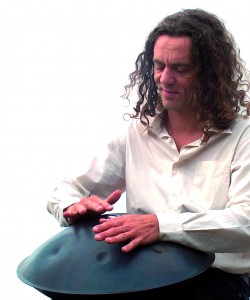
Listening to the radio one night in the late 80’s and hearing a vocal group, David Hykes and his Harmonic Choir, playing at the Amsterdam Melkveg. It was their first album, “Hearing Solar Winds.” They sounded like an airplane taking off, when suddenly one guy leapt out, into the stratosphere, with no parachute. It was a mind-blowing first encounter with overtone singing.
I can remember grabbing an audio-cassette of classical music that belonged to my mother and pressing REC. Not caring about any repercussions, just wanting to capture this amazing sound.
I would listen to the tape for many years to come. This introduction to harmonics started me practising and practising, working on my own vocal voyage. 20 years later, I am now a professional overtone artist. I teach, make recordings and give solo concerts of overtone singing with didgeridoo, percussion and string instruments providing a world musical experience.
www.feelingsound.com
Zara Petrova
Project Coordinator
I have been living in Ireland for a few years now. My friends in Bulgaria were a very important part of my life and I really missed them even though my life here was great. For a little while I didn’t know how to deal with the way I felt… until I got to talk to a friend in Ireland who changed my perspective on my problems.
She had more to be unhappy about than I did. However, she is one of the most positive people I know. It was then when I realised that only I am responsible for my own happiness. Since then, I started making much more effort and I considerably improved my social life. I also keep in touch with my friends in Bulgaria and visit them as often as I can.
I am now much happier with my life as I know that it is Me who can make Me happy.
Konstantin Nikolov
Freelance Animator
Have you noticed that sometimes things happen to us at exactly the right moment? Like a door that opens quite rarely, but this time you managed to walk through it at the exact time it opened, and that changed your life in some mysterious way.
My greatest change so far happened to me following this pattern. It was a very special book that chose to come into my life at the moment when I needed it most. The book is called “The Alchemist” by Paulo Coelho, and its messages brought the magic back into my life.
It helped me remember that miracles only need us to believe in them to happen, and that the uncertainty of life is only the blank page of limitless possibility. That happened nearly seven years ago and it was the push I needed to start chasing my dreams and to be where I am today.
Mari Kennedy
Yoga Teacher & Transformational Coach
When I was 28, my boyfriend at the time handed me a cassette tape and said “You need this – its Yoga.” Then he told me to lie on the ground, to “listen and follow.” As I lay there laughing at the thought of needing yoga, a haunting, kind of annoying but vaguely soothing voice suggested I “become aware of my breath .” Of course, I didn’t get to the end of the tape that night – I had too much to do, and its slowness agitated me.
Months later, I found myself voluntarily on the ground following that haunting voice. And so began my relationship with a 4,000 year old tradition that has held me, opened me and lead me home to myself. That moment of Grace offered me a practice that has transformed my life and shown me that our natural state is limitless freedom and overflowing wellbeing, and that changes everything.
www.transformationalspace.com